English-language commentary still reads Iraq through the vocabulary of balancing. An Atlantic Council assessment in July judged that the war had made Iraq’s balancing act increasingly untenable. That is right about the pressure. It misses something more basic. Balancing presumes a state that holds its own decisions and chooses where to stand. The question every capital dealing with Baghdad actually faces is narrower: who in Iraq can deliver what.
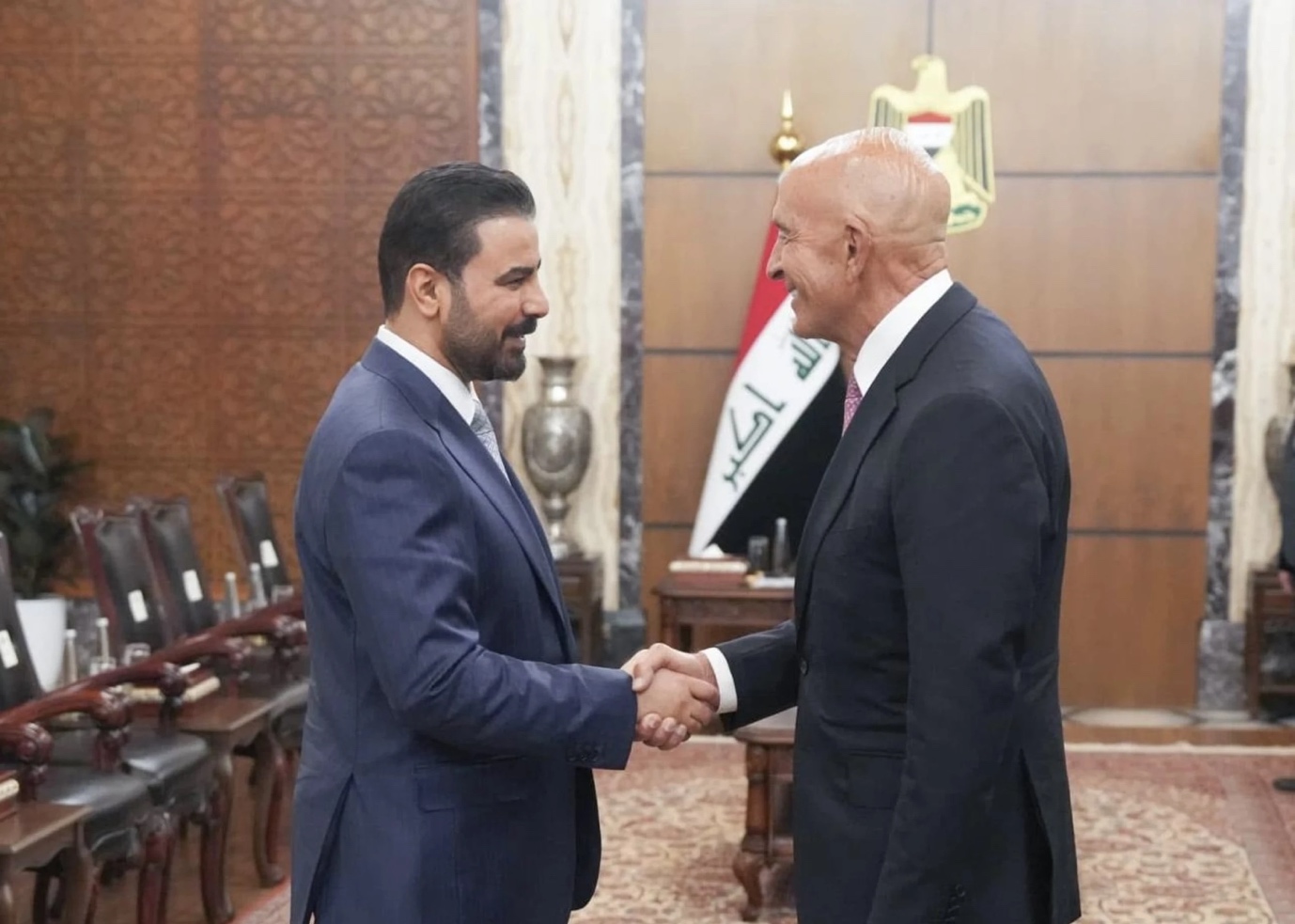
US envoy Tom Barrack meets Iraqi PM Ali al-Zaidi in Baghdad on June 16, 2026. Photo: Iraqi PMO
Where capacity sits
The July strikes answer part of it. A Fox News reporter said President Trump told him the operation had been coordinated with Baghdad. Iraq’s government denied any prior knowledge or approval. Both can be substantially true, and the gap between them is where Iraqi foreign policy lives. In interviews this summer, a senior figure in one of Iraq’s main Shia blocs told me advance warning did enter the formal security hierarchy before the strikes, and the targeted positions were not cleared. A Gulf specialist said Riyadh read this as PMF commanders fearing an evacuation would let the government occupy the bases and seize their arsenals.
Evacuation required neither disarmament nor confrontation, only that a warning travel fast enough to protect personnel under nominal state command. It arrived and was not acted on.
Restraint followed a similar route. Reporting attributed the factions’ postponed retaliation partly to an appeal by Badr leader Hadi al-Amiri. When the US-led coalition ended its mission on 30 September, the Islamic Resistance in Iraq said it had spent some forty days discussing its weapons with the government through the Coordination Framework, the umbrella of the ruling Shia parties, not through the command chain. Al-Zaidi has since set 30 June 2027 as the deadline for weapons outside state control, and says five factions agreed to hand over their arms and three have done so. Harakat al-Nujaba rejects even the vocabulary of disarmament.
The capacity to warn, to restrain and to disarm sits in different places, and some of it lies outside the executive altogether. That is not a mechanism to build policy on, and it argues for the disarmament objective, not against it. But it is the Iraq outside partners deal with now.
One window
Most pressure on Baghdad still goes to a single address. A senior Iraqi diplomat told me most prime ministers run the American file personally, at the foreign ministry’s expense, and that the single-window era is over. Outside capitals have not caught up. Pressure concentrated on the prime minister produces commitments, because commitments are what a prime minister can give. If al-Zaidi resists American demands, he risks losing Washington’s backing. If he delivers them against his coalition’s interests, he erodes the domestic support his authority rests on. In Riyadh on 14 October al-Zaidi pledged again that Iraqi territory would not be used against the kingdom. Saudi security sources say drones from Iraq were still being intercepted in October.
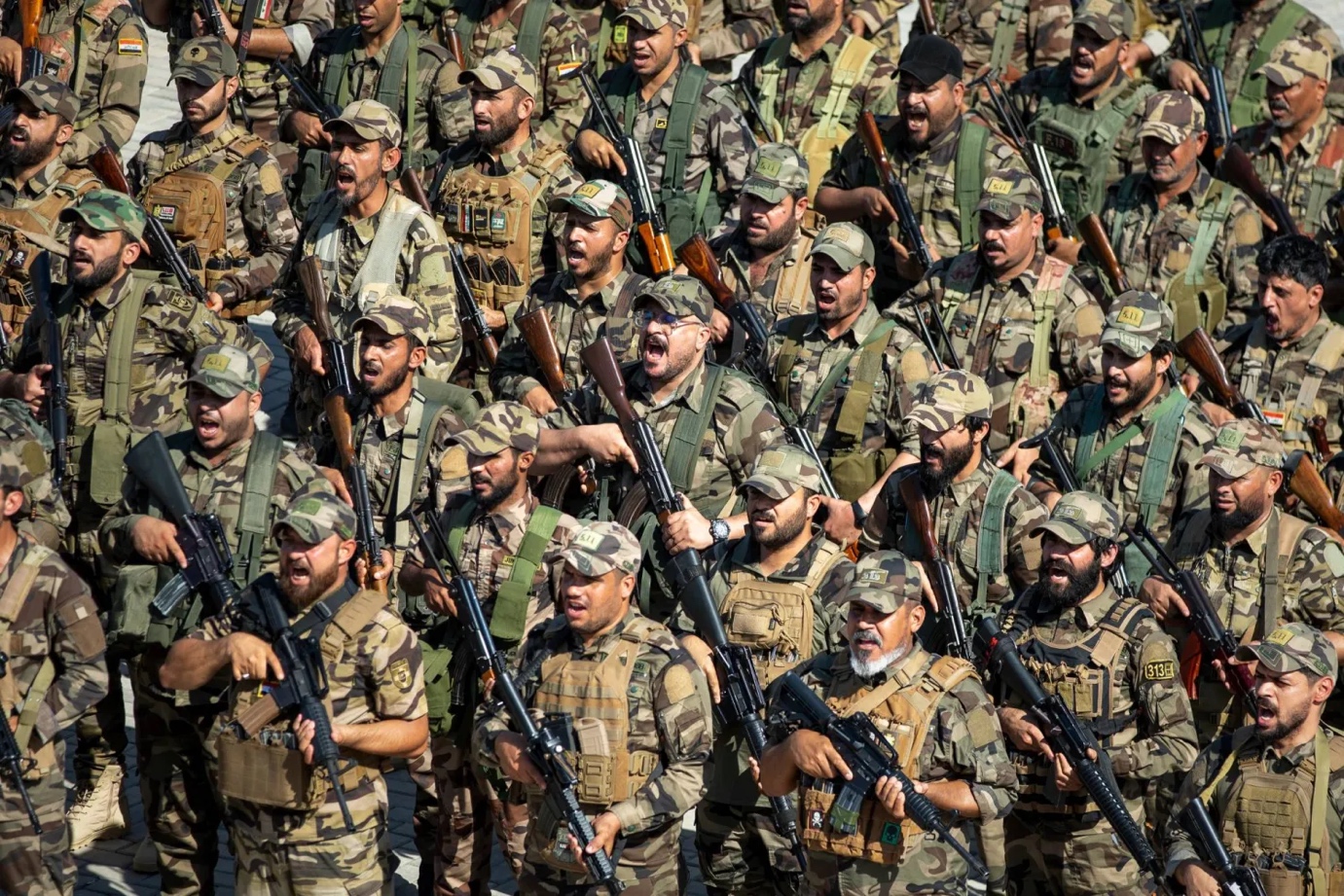
Saraya al-Salam members gather in Samarra, north of Baghdad, as the group begins surrendering its weapons to Iraqi state forces. Thursday, June 4, 2026. Photo: AP
Distributed pressure
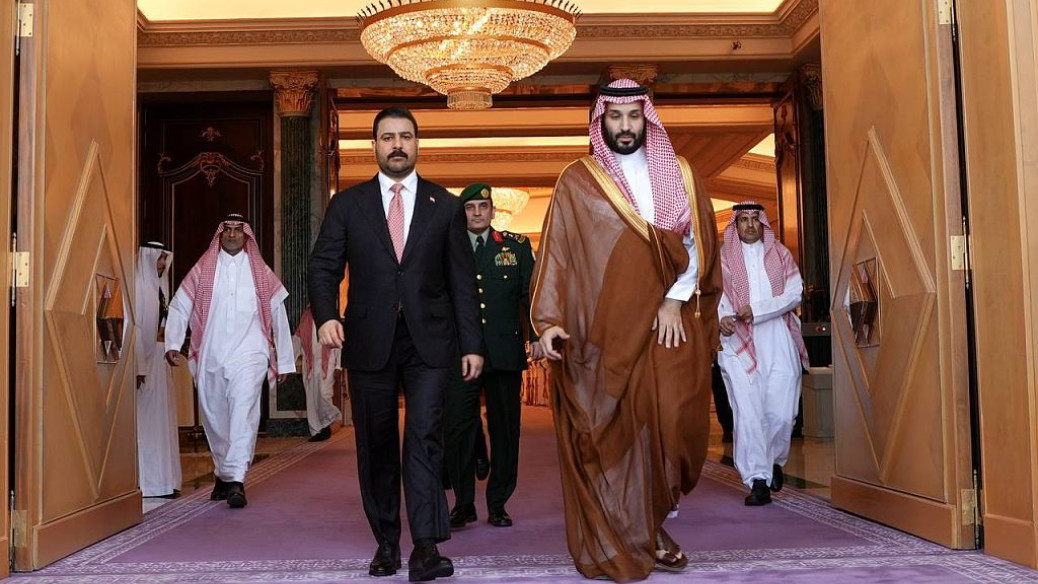
Riyadh’s engagement between the two attacks took another form. Its intelligence chief came to Baghdad. An Iraqi security delegation went to Riyadh to discuss drones, air defence and intelligence sharing. And, the same figure told me, a party leader kept his own channel to the Saudi leadership. Each node was addressed for what it could deliver.
This is what I call distributed pressure: pressure spread across the institutions and actors able to deliver specific outcomes, with one sovereign and accountable counterpart answerable for the whole. Party leaders are engaged as party leaders, security institutions as institutions, and no one as an intermediary with the armed groups. A Saudi commentator read September’s restraint as a wager on an Iraqi state able to own its security decisions. The wager was placed on institutions rather than promises, and the institutions moved.
They did not finish the job, and the limit is consistent. Where Iraqi foreign policy requires the state to stop an armed actor before it acts, Baghdad underperforms. Where it requires diplomacy, intelligence exchange, air defence, accountability after the fact or closing a border, Baghdad can deliver.
Judged by delivery
The next test is close. Washington and Tel Aviv have discussed resuming large-scale strikes on Iran around the US midterms on 3 November, and the last round ran through Iraqi airspace and Iraqi factions. Every capital that needs something from Baghdad will press it again. Pressed through a single window, Iraq will be asked to show that it has chosen Washington over Tehran, or Riyadh over either, and it cannot. Pressed through the actors who hold the relevant capacity, it can show that fewer drones cross its borders, that a commander who fails is removed, that a crossing closes. Judged by what Baghdad can deliver rather than by what its prime minister can promise, it remains a partner worth having.
The opinions expressed in this article are those of the author and do not necessarily reflect the views of the Arab Perspectives Institute.
Author bio
Alabbas F. Alsudani is an Iraqi political analyst and researcher and a Chevening Scholar at the London School of Economics and Political Science. His work focuses on international political theories, security and Middle East foreign policy.